Blog of a future teacher.
Learn English from the base.
Unity 1
Unity 1
© Known as the universal language, English is, without a
doubt, something totally necessary to be able to leave in a world as
competitive as it is today. It is for this reason that learning is something
that, as a future teacher, will help me have greater opportunities.
Hello! Welcome!
First to begin to understand English it is necessary to understand how simple sentences are composed.
Pronoun

I - Yo
They - Tú
She - Ella
He - El
They - Ellos
We - Nosotros
It - Eso
First to begin to understand English it is necessary to understand how simple sentences are composed.
Pronoun
I - Yo
They - Tú
She - Ella
He - El
They - Ellos
We - Nosotros
It - Eso
Pronouns are used to refer to a person, people or something. They are the basis of simple English sentences.
Verb to be

It is very common to use contractions with "to be" in English. "to be" has three types of contractions today, it includes two negative variants and one affirmative variant.

My addres is
betzebe.gabrielolea@ensj.eduu.mmx

-In the case of the particle Do, it works exclusively with the pronouns of the first person of the singular and of the third person of the plural, these being:
Me
You
We
They
-When using the particle Does we do it exclusively when the sentences refer to the second person of the singular. That is, it is used in sentences where the subject is:
He
She
It
what's your job?
There are many different types of jobs, so there are many ways to talk about them in English.

love / like / dont like / hate
These verbs are used to express preferences; that is, things or activities that we like to do (I like hamburgers / I like hamburgers) and things or activities that we don't like to do (I dislike hamburgers / I don't like hamburgers).

They are used to specify how much we like a thing or in this case food or sport.
i hate baseball
i love volleyball
i like juice
i dont like coffe
Demonstrative adjectives

It is mostly used to specify or indicate people, animals or things based on their proximity or remoteness taking into account the position of the speaker.
This
It is used when we talk about a single element that is a short distance from the speaker.
That
It is used when we talk about a single element that is at a certain
distance from the speaker.
These
It is used when we talk about more than one element that is a short distance from the speaker.
Those
It is used when we talk about more than one element that is at a certain distance from the speaker.
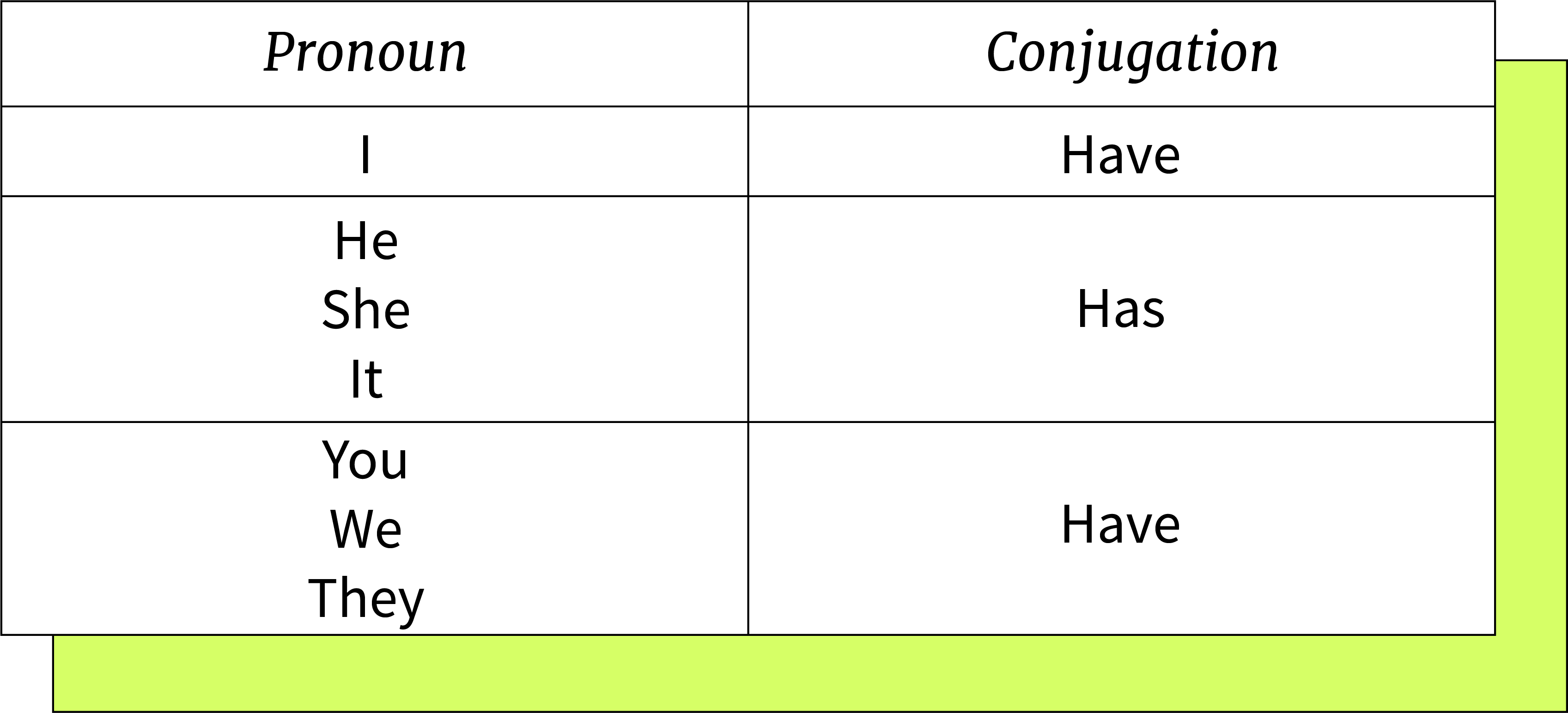
The auxiliary verb to have means to has. One of its peculiarities is that it changes depending on the pronoun with which it is conjugated.
so we use have with the pronouns I, you, we and they.
but you has with the pronouns he, she and it.
Verb to be

To be is used in many contexts in
which in Spanish it would be used to be, be and even have. Let's look at some of the contexts in which it is usually.
-I am twenty
years old.
Tengo veinte años.
-Her eyes are green.
Sus ojos son verdes.
-This book is new.
Este libro es nuevo.
It is very common to use contractions with "to be" in English. "to be" has three types of contractions today, it includes two negative variants and one affirmative variant.

English
presentations
In many situations, we must provide our personal information in English, whether in formal or informal settings.
This is why it is important to know how to provide our information correctly.
whats your name?
using a simple sentence the previous sentence is answered with a:
I am belu
What´s your last
name?

My last name is gabriel.

My last name is gabriel.
What are your from?
I live in ***** center.
I live in ***** center.
What is your
address?
My addres is
betzebe.gabrielolea@ensj.eduu.mmx
How old are you?
I am tweenty
I am tweenty
What is your phone?
My number is twelve thirty-four
fifty-six seventy-eight and ninety
My number is twelve thirty-four
fifty-six seventy-eight and ninety
Are you married?
I am single / I am married
I am single / I am married
Members of the
family
Another of the things we begin to learn in the first unit of the basic level of English are family members and how they change according to each person's perspective.

Possesive s
I - my
you - your
he - his
she - her
we - our
they - their
I - my
you - your
he - his
she - her
we - our
they - their
Possessive adjectives in English refer to the possessor and not to the possessed thing and are used more frequently in English than in Spanish. - My is used to indicate that something belongs or relates to oneself.
Unity 2Do Does
-In the case of the particle Do, it works exclusively with the pronouns of the first person of the singular and of the third person of the plural, these being:
Me
You
We
They
-When using the particle Does we do it exclusively when the sentences refer to the second person of the singular. That is, it is used in sentences where the subject is:
He
She
It
Personal information / Jobs
what's your job?
There are many different types of jobs, so there are many ways to talk about them in English.

What s your job?
i am a student
Sports, Food and Drinks.
love / like / dont like / hate
These verbs are used to express preferences; that is, things or activities that we like to do (I like hamburgers / I like hamburgers) and things or activities that we don't like to do (I dislike hamburgers / I don't like hamburgers).

They are used to specify how much we like a thing or in this case food or sport.
i hate baseball
i love volleyball
i like juice
i dont like coffe
Demonstrative adjectives

It is mostly used to specify or indicate people, animals or things based on their proximity or remoteness taking into account the position of the speaker.
This
It is used when we talk about a single element that is a short distance from the speaker.
This vase is very expensive.
Este jarrón es muy caro
That
It is used when we talk about a single element that is at a certain
distance from the speaker.
That boy is my cousin.
Aquel chico es mi primo.
These
It is used when we talk about more than one element that is a short distance from the speaker.
These shoes are old.
Estos zapatos son viejos.
Those
It is used when we talk about more than one element that is at a certain distance from the speaker.
Those toys are dirty.
Esos juguetes están sucios.
Have and Has
so we use have with the pronouns I, you, we and they.
but you has with the pronouns he, she and it.
Nouns a / an / the /
An article is a word used before a noun to show whether the noun refers to something specific or not. A, an and the are articles.
-I have a ring
-She eat an orange
-Bring me the strawberry milk
What time is it?
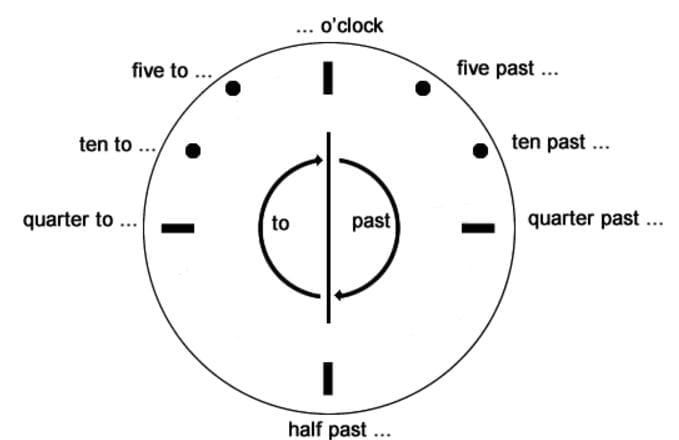
-The first option to tell time is known as military time. For this we only need to know how to say the numbers, since we would simply say the first part, that is to say the hour and then the minutes.
Examples would be: hours of English
14.55 - Fourteen fifty-five
02.30 - Two thirty
16: 12 - Sixteen twelve
06: 47 - Six forty-seven
20.15 - Twenty Fifteen
-For references to the o'clock time we should only say Is + the time that is + o'clock expression.
For example, it's two o'clock, it's five o'clock or it's nine o'clock.
-When we want to say that it is an hour and a half we must say It’s + the expression half past + the time it is.
For example. It's half past one, It's half past seven.
Es todo por ahora. xD


No hay comentarios.:
Publicar un comentario